

In the competitive landscape of the construction and architectural industries, choosing the right material is only half the battle. For B2B stakeholders, including architects, commercial developers, and large-scale contractors, the real challenge lies in the procurement process. A slab stone supplier is more than just a vendor; they are a critical link in the supply chain that determines the longevity, aesthetic success, and financial viability of a project. To maximize ROI and ensure structural integrity, professionals must understand how to navigate the relationship with their supplier while leveraging the specific characteristics of the natural stone slab.
Dive through this guide to understand the strategic steps necessary to extract the highest value from these partnerships, focusing on material selection, logistics, and quality control.
Understanding the Role of the Slab Stone Supplier in B2B Operations
A high-value supplier acts as a consultant. They do not merely sell a product; they provide technical specifications regarding compressive strength, water absorption rates, and slip resistance. For a project manager, getting the best value means receiving a slab that meets all building codes and aesthetic requirements without the hidden costs of excessive waste or installation delays.
Selecting the Right Slab for the Project
1. Limestone Slabs
Limestone is a staple in the architectural market due to its sophisticated, muted palette. Colors like Ebony Black or French Vanilla are frequently utilized in B2B projects for their versatility. When sourcing a limestone slab, value is found in the stone’s workability. It is dense enough for exterior paving but elegant enough for interior wall cladding and countertops.
2. Sandstone Slabs
For projects requiring a more rugged or earthy aesthetic, sandstone is the primary choice. Materials such as Autumn Mist, Grey Mist, and Rainbow Sandstone offer unique veining and fossil-like patterns. The value in sandstone lies in its slip-resistant nature, making it a high-performance choice for outdoor walkways and commercial plazas.
3. Basalt
Basalt is known for its dark, consistent tones and incredible density. It is often used in modern, minimalist designs where a monochromatic look is desired.
4. Travertine and Quartzite
Travertine provides a classic, pitted texture that is often filled and honed for a smooth finish. It is an excellent choice for pool surrounds because it remains relatively cool under foot. Quartzite, on the other hand, offers the beauty of marble with the hardness of granite.
Technical Specifications and Consistency
When a B2B buyer engages with a slab stone supplier, the conversation must go beyond price per square foot. Value is found in the grading of the stone.
- Thickness Uniformity: A quality slab stone supplier ensures that a 2-inch thick slab is consistently 2 inches across the entire batch.
- Color Matching: Natural stone is, by definition, variable. However, for a commercial lobby or a sprawling outdoor terrace, extreme color shifts can be problematic. Engaging with a supplier who can provide quarry-run consistency ensures that the slabs delivered in month six of a project match those delivered in month one.
- Edge Finishes: Value is also found in the finishing options. Whether the project requires a “Rock Face” edge for a rustic look or an “Eased Edge” for a sleek, contemporary finish, the ability of the supplier to provide pre-finished edges can significantly reduce on-site fabrication time.
Logistics and Lead Times
In the construction market, timing is everything. A delay in the delivery of a slab can stall an entire crew, leading to massive overhead costs. To get the best value from your slab stone supplier, logistics must be treated as a core component of the product.
Bulk Ordering and Staging
A high-value supplier will offer staging services, holding the inventory and delivering it in phases as the project progresses. This prevents on-site breakage and keeps the job site organized.
Direct Import Advantages
Working with a supplier who is also a direct importer. This allows the B2B buyer to access premium natural stone at wholesale rates. By cutting out secondary distributors, you gain more transparency regarding the stone’s origin and ethical sourcing practices.
Maximizing Value Through Application Versatility
A slab is a raw material that can be transformed into various architectural elements. To maximize the value of every shipment, consider the multi-functional use of a single slab type:
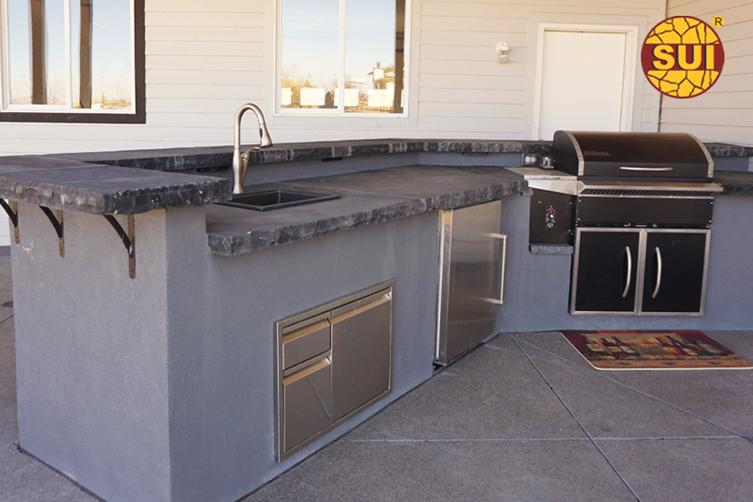
- Countertops and Vanities: Large-format slabs of limestone or basalt are ideal for seamless kitchen islands and bathroom vanities.
- Stair Treads and Treads: A slab stone supplier can often provide matching treads and steps, ensuring that the vertical and horizontal transitions in a building are visually cohesive.
- Wall Capping and Pool Coping: Slabs are frequently fabricated into wall caps or pool coping to provide a finished look to retaining walls and water features. Using the same material for the flooring and the capping adds a sense of “architectural intent” that increases the overall property value.
Quality Control: Inspection and Documentation
The B2B relationship relies on trust, but it is reinforced by documentation. To ensure the best value, a buyer should request:
- Visual Samples
- Packaging Standards
Cost vs. Investment: The Long-Term Perspective
In B2B transactions, the cheapest slab is rarely the best value. A low-cost slab might be prone to spalling (flaking) or may have internal fissures that lead to cracking after installation. The true value of a slab stone supplier is found in the longevity of the material they provide.
Natural stone is an investment. For developers, this translates to lower lifecycle costs and higher resale values for the property.
Enhancing Professional Partnerships
To truly get the best value, treat the slab stone supplier as a partner in the design process. Early involvement of the supplier allows them to suggest alternatives that might achieve the same look at a lower price point or with better availability.
Final Thoughts
Navigating the complexities of natural stone procurement requires a balance of technical knowledge and strategic planning. By focusing on material suitability, demanding rigorous quality standards, and choosing a supplier with a robust global supply chain, professionals can ensure they receive the maximum return on their investment.
Stone Universe Inc. serves as a premier wholesale distributor of high-quality natural stone, offering an extensive range of materials including limestone, sandstone, and basalt. By operating as direct importers, they provide the market with consistent, project-ready slabs that meet the exacting needs of commercial and residential developers.