
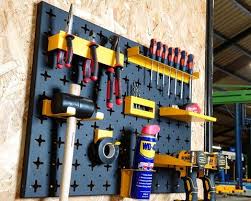

Maintaining an organized outdoor or workspace can be a challenge, especially when it comes to storing tools, garden equipment, and other essential items. Tool houses (Domčeky na náradie) provide an effective solution, offering durable, secure, and convenient storage options. Designed for both residential and professional use, these structures combine functionality with durability, ensuring your tools remain protected and easily accessible.
Why Are Tool Houses Essential for Organization?
Keeping tools and equipment in one place saves time, increases efficiency, and prevents damage. But why specifically choose a tool house? Tool houses protect valuable equipment from weather elements such as rain, snow, and sun, reducing wear and tear. They also prevent tools from being misplaced or damaged when left outdoors. Additionally, a well-organized storage solution improves safety, as scattered tools can be a tripping hazard or cause accidents.
With a dedicated space, you can separate gardening, construction, and maintenance tools, ensuring everything is accessible when needed.
What Types of Tool Houses Are Available?
Tool houses come in various designs, sizes, and materials to suit different needs. But what types are most commonly used?
- Small Garden Tool Houses: Compact sheds for garden tools, hoses, and small equipment.
- Medium Storage Houses: Accommodates larger power tools, lawnmowers, and bicycles.
- Large Multi-Purpose Tool Houses: For professional or workshop use, storing machinery, workbenches, and bulk equipment.
- Metal Tool Houses: Highly durable, fire-resistant, and low-maintenance storage options.
- Wooden Tool Houses: Aesthetic, natural appearance with good insulation properties, suitable for garden settings.
These options ensure that homeowners, hobbyists, and professionals can find the right tool house for their space and needs.
How Are Tool Houses Constructed?
The construction of a tool house affects its durability and usability. But how are tool houses built?
- Foundations: A level and solid base, such as concrete slabs, pavers, or wooden decks, ensures stability and prevents moisture damage.
- Walls and Roofs: Panels or frames made of wood, metal, or composite materials provide strength and weather protection.
- Doors and Windows: Lockable doors improve security, while windows provide natural light and ventilation.
- Fasteners and Hardware: Rust-resistant screws, hinges, and latches enhance longevity and functionality.
- Roofing Materials: Sloped roofs, shingles, or metal sheets allow water drainage and prevent leaks.
Proper construction guarantees a tool house that is both functional and long-lasting.
How Do Tool Houses Protect Your Tools?
Tools are an investment, so protection is key. But how exactly do tool houses safeguard equipment?
- Weather Resistance: High-quality materials shield tools from rain, snow, and sun damage.
- Security: Lockable doors prevent theft or unauthorized access.
- Organization: Shelves, hooks, and compartments prevent tools from being damaged or misplaced.
- Longevity: Proper storage reduces rust, corrosion, and deterioration, extending the life of your tools.
A well-designed tool house ensures your equipment remains functional and ready for use at all times.
Can Tool Houses Withstand Harsh Outdoor Conditions?
Outdoor storage structures face sun, rain, wind, and temperature changes. So can tool houses endure these challenges? Yes. Wooden or metal tool houses, when properly treated and maintained, resist weathering, warping, and corrosion. Sloped roofs and raised foundations prevent water accumulation, while durable materials keep the structure strong even in extreme conditions.
How Should Tool Houses Be Maintained?
Maintenance ensures the tool house stays functional and attractive. But what steps should be taken?
- Cleaning: Regularly remove dirt, leaves, and debris from inside and around the house.
- Wood Treatment: Apply sealants or stains to wooden houses to prevent rot and insect damage.
- Metal Care: Treat metal surfaces to prevent rust and corrosion, especially in humid areas.
- Inspection: Check for loose panels, damaged doors, or leaks and repair promptly.
- Roof Maintenance: Ensure shingles or roofing sheets are intact and replace damaged sections.
Routine maintenance keeps tool houses secure, clean, and long-lasting.
How Is Pricing Determined for Tool Houses?
Budgeting is essential for any storage solution. But what factors influence tool house prices?
- Size and Capacity: Larger houses cost more due to increased materials and construction.
- Material Quality: Premium timber, metal, or composite boards raise costs but increase durability.
- Design Complexity: Shelving, compartments, or reinforced structures add to the investment.
- Assembly Service: Professional installation ensures proper setup and safety but may affect pricing.
- Additional Features: Windows, ventilation, or security locks can also influence the cost.
Understanding these factors helps buyers select a tool house that fits their budget and storage needs.
Are Tool Houses Environmentally Friendly?
Sustainability is increasingly important in construction and home improvement. But are tool houses eco-conscious? Wooden tool houses sourced from certified forests provide renewable and biodegradable storage solutions. Metal or composite tool houses may also incorporate recycled materials. Choosing durable, long-lasting houses reduces the need for frequent replacement, minimizing waste and environmental impact.
What Design Options Exist for Tool Houses?
Tool houses can be tailored for aesthetics and functionality. But what options are available?
- Style and Finish: Modern, rustic, or traditional designs blend with garden or workshop aesthetics.
- Sizes and Shapes: From compact single-tool storage to large multi-functional sheds.
- Internal Organization: Adjustable shelves, hooks, and racks optimize storage space.
- Doors and Windows: Lockable doors, sliding doors, or double doors for accessibility; windows for light and ventilation.
- Roof Options: Flat, sloped, or gabled roofs for style and drainage efficiency.
These features allow homeowners to customize tool houses for their specific needs and outdoor aesthetics.
How Can Costs Be Managed When Choosing Tool Houses?
Budget-conscious planning ensures you get value for your investment. But how can costs be optimized?
- Select the Right Size: Avoid oversized houses that exceed storage needs.
- Choose Appropriate Materials: Combine affordability with durability, using premium wood or metal only where necessary.
- Modular or Prefabricated Options: Reduce labor costs and simplify installation.
- Plan Layout Efficiently: Proper measurement and storage design reduce waste and improve functionality.
With careful planning, homeowners can acquire a high-quality tool house that meets their storage needs without overspending.
Where Can Tool Houses Be Sourced?
Tool houses are available from garden centers, timber suppliers, and specialized outdoor storage retailers. Selecting a house with high-quality materials and optional professional assembly ensures long-lasting performance. Reviewing designs, materials, and optional features before purchase guarantees a tool house that fits both functional and aesthetic requirements.
Conclusion: Are Tool Houses Worth the Investment?
Tool houses offer practical, organized, and secure storage solutions for tools and equipment. With durable materials, customizable designs, and optional professional assembly, they provide long-lasting functionality while enhancing outdoor or workshop spaces.
Whether for gardening, home improvement, or professional work, tool houses protect valuable equipment, improve organization, and create a safer environment. Investing in a high-quality tool house ensures your tools remain safe, accessible, and well-maintained, making them an essential addition to any property.